
If you have been looking at tropical beachfront property, vacation homes or retirement destinations in Central America, you may be asking an important question:
Can foreigners buy property in Nicaragua?
The short answer is that foreign buyers can hold legally acquired property rights in Nicaragua, but the rules are not identical for every type of property or every location.
Nicaraguan law recognizes legally acquired property rights of both national and foreign individuals and legal entities. However, special laws apply to areas such as coastal zones and territory near Nicaragua’s international borders.
That means Americans, Canadians and other international buyers interested in Nicaragua should approach a purchase the same way they would approach any significant international real estate investment: understand exactly what you are purchasing, conduct independent legal due diligence and have the property’s title and legal status verified before completing the transaction.
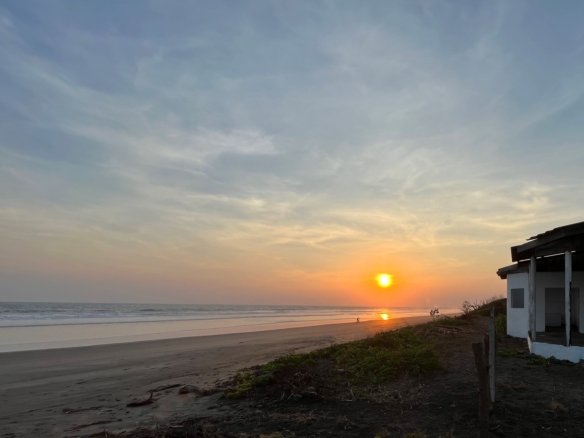
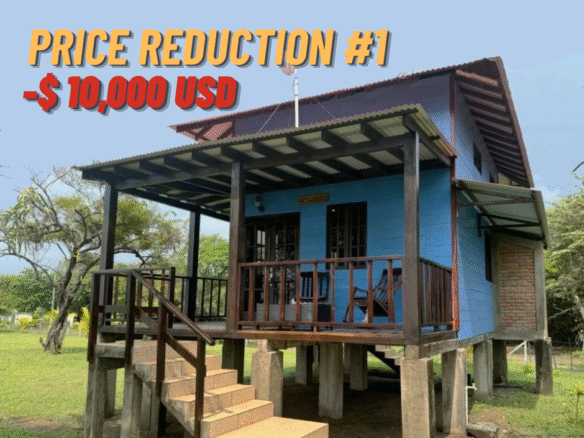
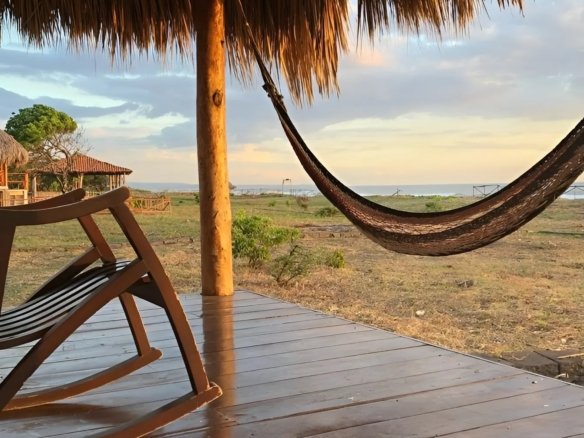
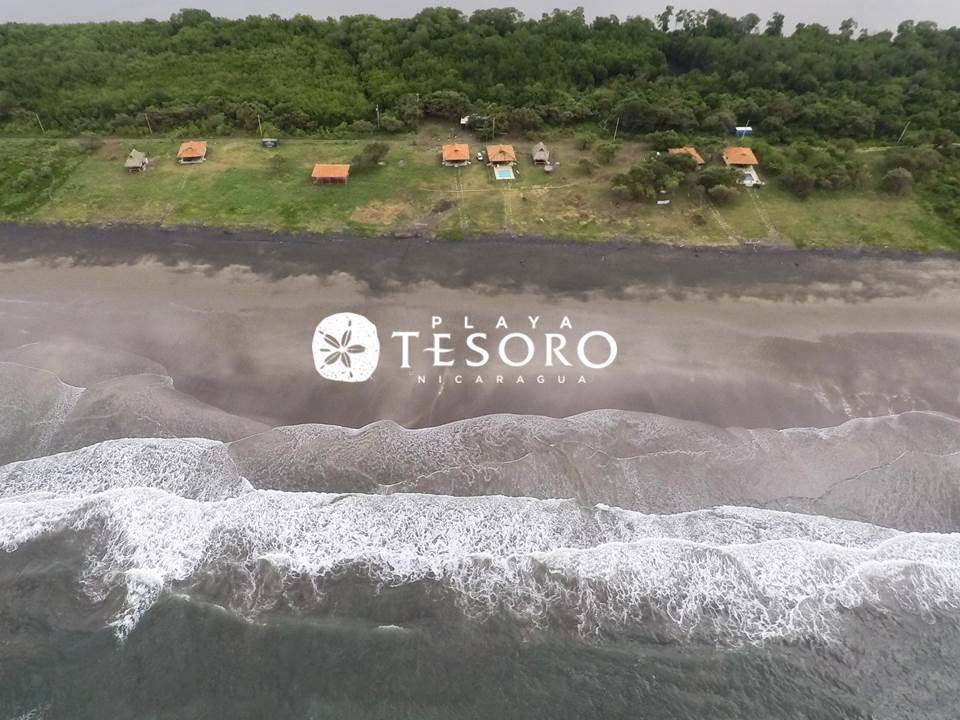
For buyers interested specifically in beachfront property in Nicaragua, communities such as Playa Tesoro, near León on Nicaragua’s Pacific coast, offer opportunities to explore serviced beachfront lots, existing homes and other property options. Playa Tesoro currently states that it has more than 30 serviced beachfront lots available within the development.
Here is what international buyers should know.
Can an American Buy Property in Nicaragua?
Foreign nationality by itself does not mean that someone cannot hold legally acquired property rights in Nicaragua.
Nicaragua’s Coastal Zones Law specifically recognizes legally acquired rights belonging to both Nicaraguan and foreign natural and legal persons. Nicaragua’s Civil Code also defines ownership as the right to enjoy and dispose of property subject to limitations established by law.
However, this should not be interpreted to mean that every parcel in Nicaragua is automatically available for unrestricted foreign ownership.
The location, title history, classification and applicable laws for the individual property matter.
This is why an American considering a beach home or piece of land in Nicaragua should have an independent Nicaraguan attorney investigate the particular property before purchasing it.
Can Canadians Buy Property in Nicaragua?
The same general principle applies to Canadians.
A Canadian interested in purchasing a vacation property, retirement home or beachfront lot should focus less on nationality and more on whether the particular property has a valid legal title and whether any special restrictions apply to its location.
For Canadians dreaming about escaping the winter for several months each year, Nicaragua can offer the possibility of owning a tropical property rather than simply renting a hotel or vacation home every winter.
But international ownership should begin with careful due diligence.
Before buying, have a qualified independent attorney verify:
- Who legally owns the property
- Whether the title is properly registered
- Whether there are liens or claims against the property
- Whether the property boundaries match the survey
- Whether coastal regulations apply
- Whether the property is affected by special territorial restrictions
- Whether there are easements or rights of access
- Whether the property can legally be developed as intended
- Which permits would be needed to build
- What taxes, fees and registration costs apply
Buying a beautiful property is only part of the decision.
You also want confidence that the legal documentation supporting the property is in order.
Do You Need to Be a Resident of Nicaragua to Buy Property?
Property ownership and immigration status are separate legal questions.
Nicaragua’s immigration law includes several different categories for foreign residents and also provides a resident-investor category for qualifying foreign investors.
Owning property should not therefore be treated as automatically granting the purchaser residency or citizenship.
If you intend to live in Nicaragua for extended periods rather than simply use the property for vacations, obtain separate immigration advice about the residency category appropriate for your situation.
This distinction is particularly important for people planning retirement in Nicaragua.
Think of the two questions separately:
Question 1: Can I legally acquire this specific property?
Question 2: What immigration status do I need to live in Nicaragua for the amount of time I want?
A qualified property attorney and immigration professional can help answer those questions based on your individual situation.
What About Buying Beachfront Property in Nicaragua?
This is where buyers need to understand an important distinction.
Buying property near the beach is not the same thing as owning the beach itself.
Nicaragua’s Law No. 690, Law for the Development of Coastal Zones, regulates coastal areas.
Among other things, the law establishes an area of public coastal use and protects public access to the coast. It also recognizes certain legally acquired private rights, including those held by foreign persons and companies.
This makes proper due diligence especially important when purchasing property marketed as:
- Beachfront
- Oceanfront
- Beach access
- First line
- Waterfront
- Coastal property
A buyer should understand where the private property’s surveyed boundaries end and where public coastal areas begin.
Don’t assume that the phrase “beachfront property” means the purchaser privately owns everything from the house to the water.
Nicaragua’s Coastal Zone Rules Matter
Under Law No. 690, Nicaragua establishes public-use areas along the coast and guarantees public access to those areas. The law also contains exceptions protecting certain legally acquired rights.
For a prospective beachfront buyer, the practical lesson is straightforward:
Have a lawyer review the legal status of the exact lot you are considering.
Questions should include:
- Where is the official property boundary?
- Is the title registered?
- When and how was the title originally acquired?
- Does the Coastal Zones Law affect any portion of the parcel?
- Are there public-access rights affecting the property?
- What construction setbacks apply?
- What approvals are required before building?
- Is the advertised beachfront portion part of the privately titled property, a concession area or a public coastal area?
Understanding these issues before purchasing is far easier than trying to correct a property problem afterward.
Buyers Should Also Understand Nicaragua’s 2025 Border Territory Law
Location has become even more important following a major legal change in 2025.
Nicaragua enacted Law No. 1258, the Law of Border Territory, on August 5, 2025. The law defines “Border Territory” as the area extending 15 kilometres inward from Nicaragua’s conventional international borders and declares that territory property of the Nicaraguan state. It also repealed the previous border-law framework.
This does not mean every property in Nicaragua is affected.
It does mean international buyers should have the geographic location and current legal status of a property independently verified before purchasing.
Never rely on a general online article—including this one—to determine whether a particular parcel can legally be transferred.
Real estate law applies to the specific property.
Why a Property Title Search Is So Important in Nicaragua
A beautiful ocean view doesn’t tell you anything about the legal history of the land.
Before purchasing property in Nicaragua, one of the most important steps is conducting a thorough title investigation.
Your independent attorney should investigate matters such as:
Registered Owner
Confirm that the person or entity selling the property has legal authority to sell it.
Chain of Title
Understand how ownership has transferred over time.
Liens and Encumbrances
Determine whether debts, mortgages, claims, easements or other legal interests affect the property.
Survey and Boundaries
Make sure the land being shown to you matches the property identified in the legal documents.
Coastal Classification
For beachfront or coastal property, determine how Law No. 690 affects the individual parcel.
Border Status
Confirm that the property is not affected by Nicaragua’s current border-territory rules.
Construction Rights
Verify that your intended house, rental property, pool or other development can legally be constructed.
Access
A beachfront property is much less useful if there is a dispute concerning legal road access.
Due diligence isn’t the exciting part of buying a beach property.
But it may be the most important part.
Should You Hire Your Own Lawyer?
Yes, obtaining independent legal advice is a sensible part of an international property purchase.
Your attorney should represent your interests as the buyer.
Even when purchasing from a reputable developer or seller, independent verification provides an additional layer of protection.
The attorney can help review:
- Purchase agreements
- Title documents
- Surveys
- Registry records
- Property boundaries
- Taxes
- Liens
- Coastal restrictions
- Municipal requirements
- Development rules
- Closing documents
- Registration of ownership
For Americans in particular, current U.S. government travel guidance recommends extreme caution when investing in or purchasing property in Nicaragua and specifically warns about property-rights enforcement.
That is another reason buyers should perform substantial independent legal and financial due diligence rather than making a decision based solely on the property’s appearance or asking price.
What Should Foreigners Look for When Buying Land in Nicaragua?
If your goal is to build your own tropical home, buying land can offer more flexibility than purchasing an existing house.
However, don’t compare properties only by price per square foot or acre.
Ask what is actually included.
For example:
Does the lot have electricity available?
Is water available?
Is there road access?
Has the lot already been surveyed?
Is there drainage infrastructure?
How difficult will it be to bring construction materials to the property?
Are internet services available?
What approvals are needed to build?
Who will manage the property while you are outside Nicaragua?
A very inexpensive undeveloped lot can become significantly more complicated if basic infrastructure must be created from scratch.
Fully Serviced Beachfront Lots at Playa Tesoro
This is one area where an established development can offer advantages over buying an isolated piece of undeveloped land.
Playa Tesoro says it currently has more than 30 fully serviced beachfront lots, with services available at the lot edge and the lots prepared for building. The development also offers more than 50 riverfront lots and, depending on current inventory, existing beachfront homes and other ownership opportunities.
The Playa Tesoro Phase 1 inventory shows beachfront lots in several different widths and sizes, allowing prospective buyers to consider a parcel that fits their intended home design and use.
For foreign buyers who don’t want to begin with completely undeveloped land, that can make the buying process easier to evaluate.
Where Is Playa Tesoro?
Playa Tesoro is a planned beachfront community on Nicaragua’s Pacific coast near León.
The development describes itself as being approximately 45 minutes from the colonial city of León and a little over an hour from Managua.
Nica Projects, the developer and property-management company associated with Playa Tesoro, says it has operated in Nicaragua since 2007. Playa Tesoro is located between the Tamarindo River and Pacific Ocean near León.
The community currently promotes a combination of:
- Beachfront land
- Riverfront land
- Homes
- Townhomes
- Vacation accommodations
- Property-management services
That makes Playa Tesoro an option worth considering for international buyers who want a property within a developed beach community rather than an isolated parcel.
Can You Build Your Own Home at Playa Tesoro?
Playa Tesoro specifically markets beachfront lots for buyers who want to build a home the way they want it.
That can be attractive if you have a particular vision for your Nicaragua beach property.
For example, you might build:
- A tropical retirement home
- A family vacation house
- A compact beach bungalow
- A multi-bedroom vacation property
- A home with a private pool
- A residence with large outdoor entertaining areas
- A property designed around ocean views
- A home with separate guest accommodations
Before finalizing a design, buyers should confirm all applicable construction requirements, setbacks and permits for their specific lot.
Buying Land vs. Buying an Existing House
Foreign buyers generally have two very different approaches to consider.
Buy an Existing Home
An existing home may make sense if you want to use the property relatively quickly and don’t want to oversee construction.
Buy Land and Build
Buying land may be more attractive if you want control over:
- Home size
- Number of bedrooms
- Layout
- Architectural style
- Pool placement
- Outdoor areas
- Views
- Rental configuration
- Materials
- Landscaping
Neither choice is automatically better.
The right option depends on your goals, budget, timeline and willingness to manage a construction project.
What If You Only Plan to Live in Nicaragua Part-Time?
Many international buyers don’t plan to permanently relocate.
They may want to spend several weeks or several months a year at their property.
That creates another question:
Who takes care of the home when you aren’t there?
Playa Tesoro offers property-management services through Nica Projects for owners interested in part-time residence or rental-property management.
Before relying on rental income as part of your purchase decision, however, review operating costs, local rules, taxes, management arrangements and realistic rental projections independently.
No property investment should be purchased solely because someone promises a particular return.
10 Questions Foreign Buyers Should Ask Before Purchasing Property in Nicaragua
Before purchasing, ask:
1. Who legally owns this property?
Your lawyer should verify the registered owner.
2. Is there a clear title?
Understand the property’s complete legal history.
3. Does the survey match the property I have been shown?
Never assume fences or visible markers are the actual legal boundaries.
4. Are there liens or outstanding claims?
Investigate before transferring money.
5. Are there special coastal restrictions?
Especially important for beachfront land.
6. Is the property affected by border-territory legislation?
Have the location legally confirmed.
7. Can I build what I want?
Verify development and permitting requirements before buying.
8. What utilities are available?
Determine what infrastructure already exists.
9. Who will maintain the property when I’m away?
Important for vacation-home owners.
10. What will the total purchase really cost?
Consider legal fees, registration, taxes, construction, utilities, maintenance and management—not simply the advertised purchase price.
Frequently Asked Questions
Can foreigners legally own property in Nicaragua?
Nicaraguan law recognizes legally acquired property rights of foreign natural and legal persons, including in the Coastal Zones Law. However, special restrictions and classifications apply to certain areas and types of property, so the legal status of the specific parcel should be independently reviewed.
Can Americans buy property in Nicaragua?
Americans can potentially acquire qualifying property, but the property’s title, location and legal status should be independently verified. Current U.S. government guidance recommends extreme caution regarding property investment in Nicaragua.
Can Canadians buy property in Nicaragua?
Foreign ownership rights are not limited only to Americans. Canadian buyers should likewise have an independent Nicaraguan attorney verify the particular property’s title and legal status before purchasing.
Can foreigners buy beachfront property in Nicaragua?
Foreign buyers can hold legally acquired rights in coastal property, but Nicaragua’s Coastal Zones Law establishes public coastal areas and public-access requirements. Every beachfront parcel should therefore receive property-specific legal review.
Do foreigners own the beach in front of their property?
Do not assume that purchasing a beachfront lot means privately owning the beach itself. Nicaragua’s Law No. 690 establishes coastal areas that are public domain and protects public access.
Can I buy property in Nicaragua without becoming a resident?
Property ownership and immigration status should be treated separately. Nicaragua maintains specific immigration and residency categories for foreigners, including qualifying investors.
Are beachfront lots available at Playa Tesoro?
Playa Tesoro currently states that more than 30 fully serviced beachfront lots are available and ready to build, with services at the lot edge. Individual inventory can change, so buyers should contact Playa Tesoro for current availability.
Looking for Property in Nicaragua? Discover Playa Tesoro
For many international buyers, owning property in Nicaragua starts with a simple dream:
A home near the Pacific Ocean.
A place to escape winter.
A vacation property for your family.
A future retirement home.
Or a piece of beachfront land where you can build something that is truly your own.
Playa Tesoro offers international buyers the opportunity to explore serviced beachfront lots, riverfront lots, existing homes and other real estate options in a planned community near León on Nicaragua’s Pacific coast.
If you’re considering buying property in Nicaragua, start by learning about the available properties, visiting the community and obtaining independent professional legal advice about the specific property you’re considering.
Contact Playa Tesoro
Interested in owning property in Nicaragua?
Contact Playa Tesoro to learn more about current beachfront lots, homes and available property opportunities.
Website: https://playatesoro.com/
Email: geoff@nicaprojects.com
WhatsApp: +1 604-720-4484
Nicaragua: 8167-9135 or 8563-6355
Discover Playa Tesoro and start exploring what owning your own piece of Nicaragua’s Pacific coast could look like.
This article is provided for general informational purposes only and is not legal, financial, tax or investment advice. Property laws and regulations can change, and buyers should obtain independent professional advice concerning the specific property and transaction before purchasing.